Worklease
Worklease coordinates cooperating coding agents across separate worktrees and distributed environments.
Claim a resource, do the work, then release it. Worklease prevents agent loops from duplicating work by assigning temporary ownership with leases, expiry, waiting, status, history, guarded commands, and recovery.
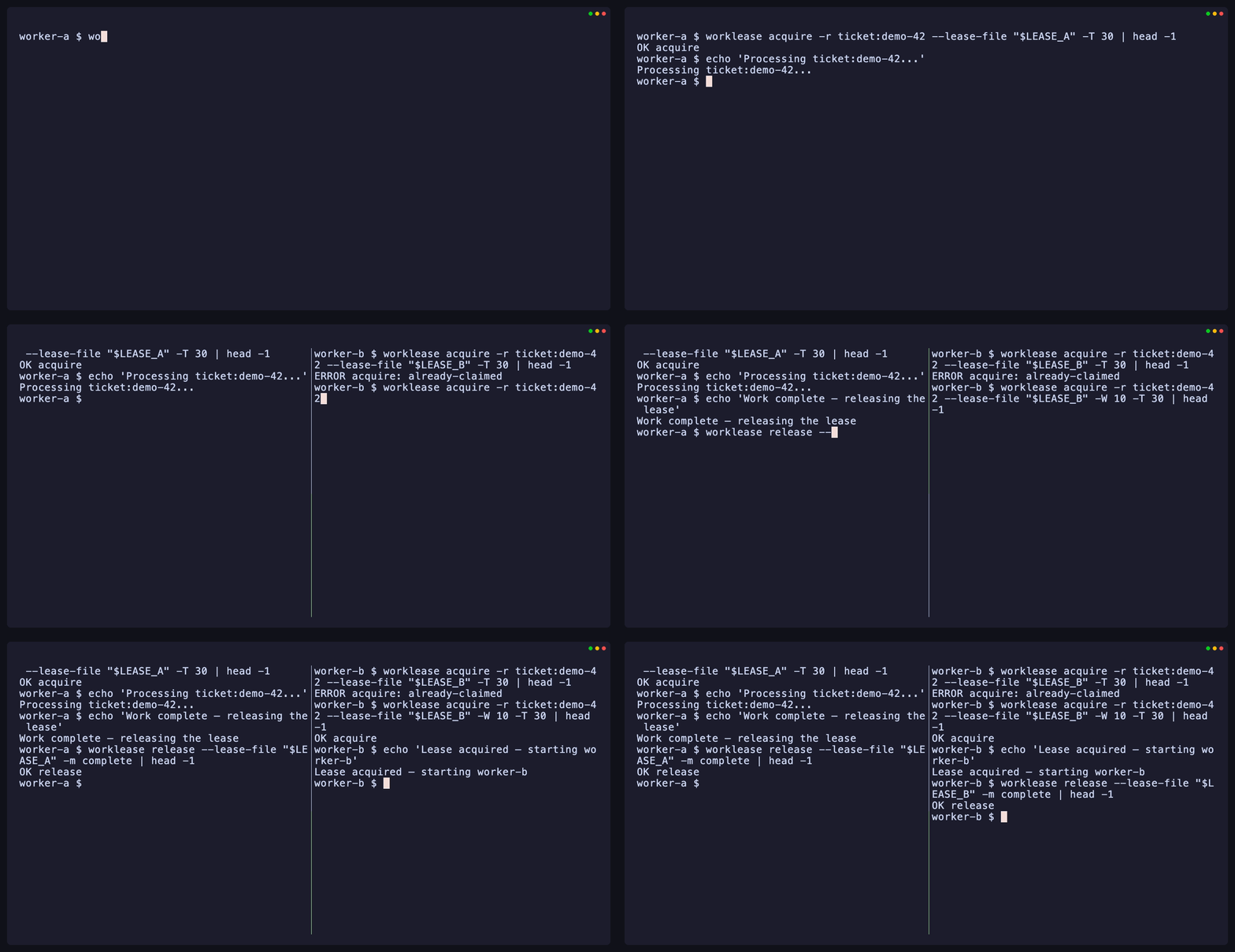
  sequenceDiagram
    participant A as Worker A
    participant W as Worklease
    participant B as Worker B
    A->>W: acquire task:demo
    W-->>A: claim granted
    B->>W: acquire task:demo
    W-->>B: already claimed
    A->>W: release
    B->>W: acquire task:demo
    W-->>B: claim granted
A lockfile protects a critical section for one process or file. Worklease coordinates work across agents and supports ownership safely over time. Its server coordinates workers across machines.
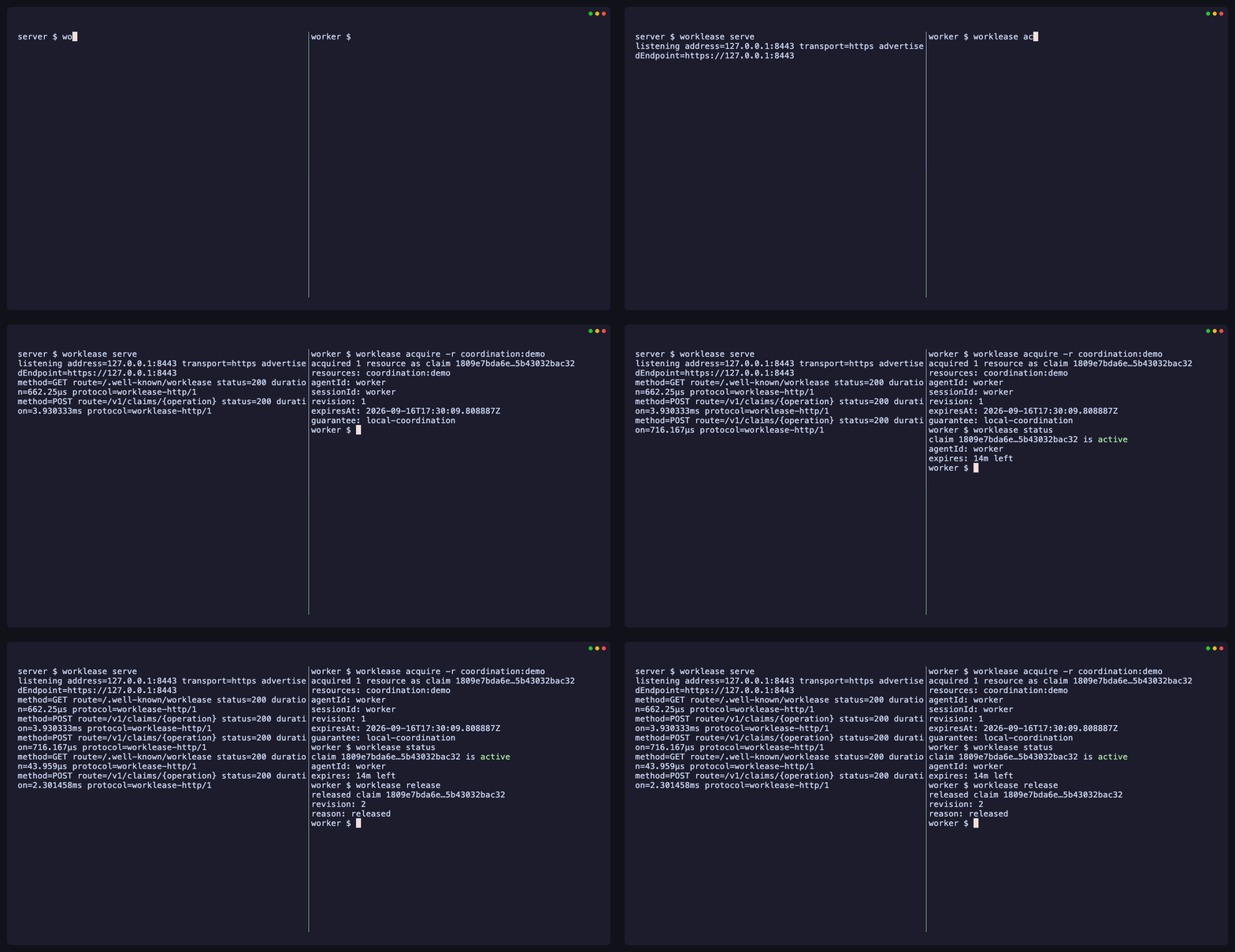
Run bare worklease to open the TUI and inspect, renew, or release claims.
Features
- Claims with TTLs, heartbeats, waiting, and release reasons
- Guarded commands that run only while a claim is held
- Status, history, and recovery for expired or abandoned claims
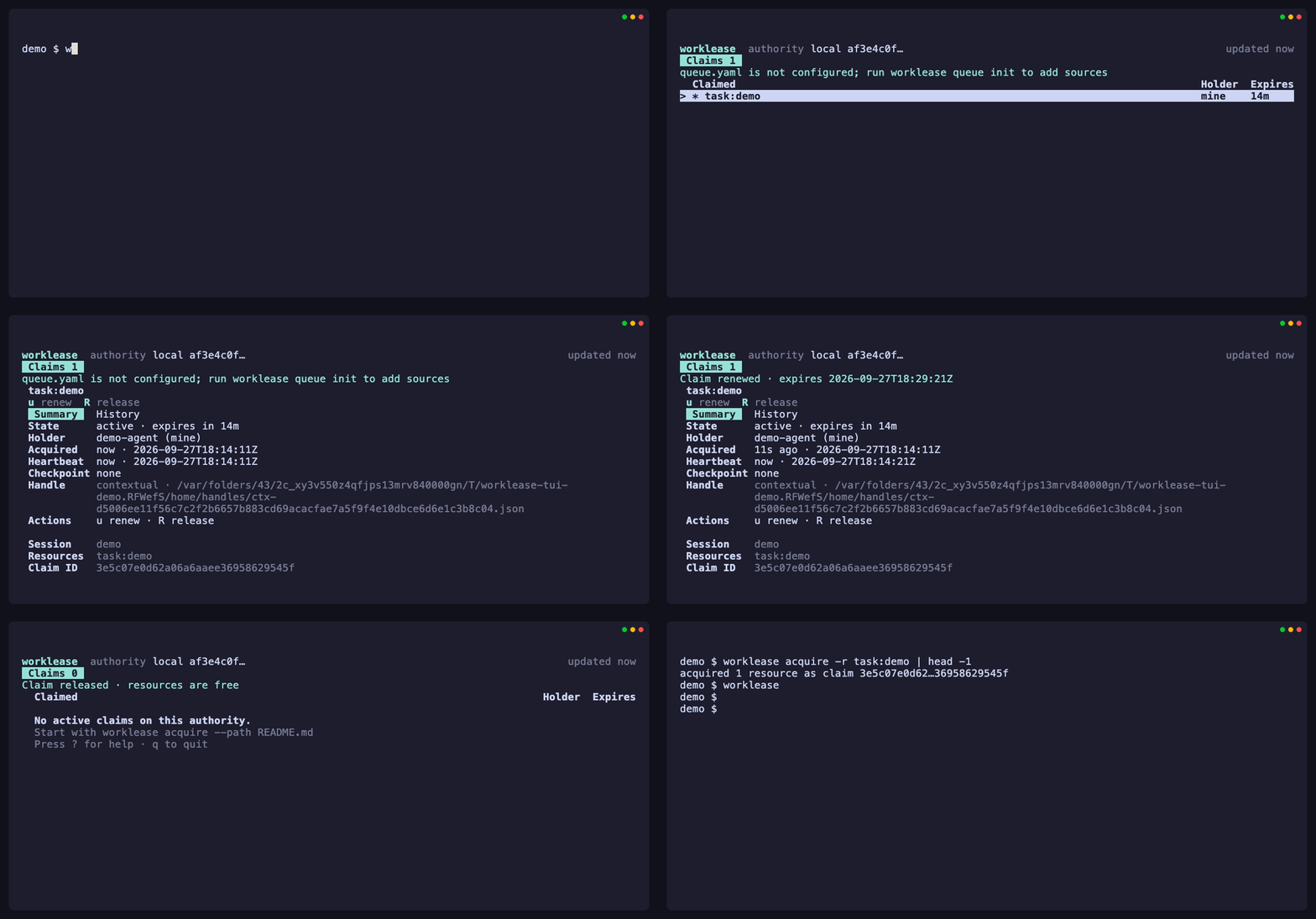
- Local SQLite authority, or a remote authority with TLS and invites
- Work queue over GitHub Issues, Backlog.md, Beads, Linear, or a custom adapter
- TUI for browsing work and managing claims
- JSON output and an MCP server for agents
brettinternet/worklease
Go CLI and portable agent workflow